ona li jan pona ala pona → they are what person? is it good or not?
sina ala sina li alasa → what searched? is it you or not?
problems: it assumes "what" and "it" as the pronoun and it doesn't work when X ala X is a verb. Maybe we can use "who" and "they" as another translation output. I'm fine with this. I'll use this as a catch all case. ilo Token will use what @tani suggested when possible e.g. X ala X is on predicate then use this if it fails.
It's been a while, I'm slowly trying to get back on this project. I've pushed a new update, now preverbs are now recognized although it's limited and I've also added "eliki". You can view more changes in the changelog by clicking the version number.
So update, I'm currently rewriting the translator. I was in the zone when writing it not realizing I'm making bad decision that makes it hard to maintain.
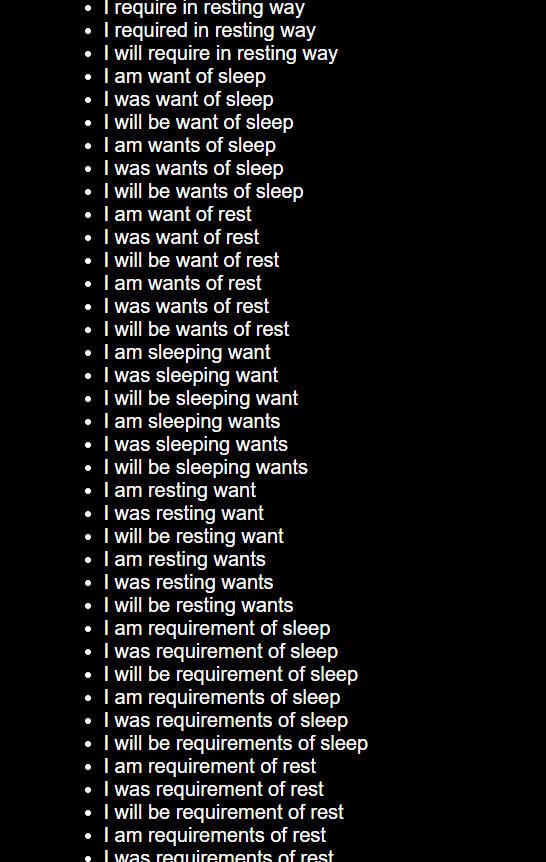
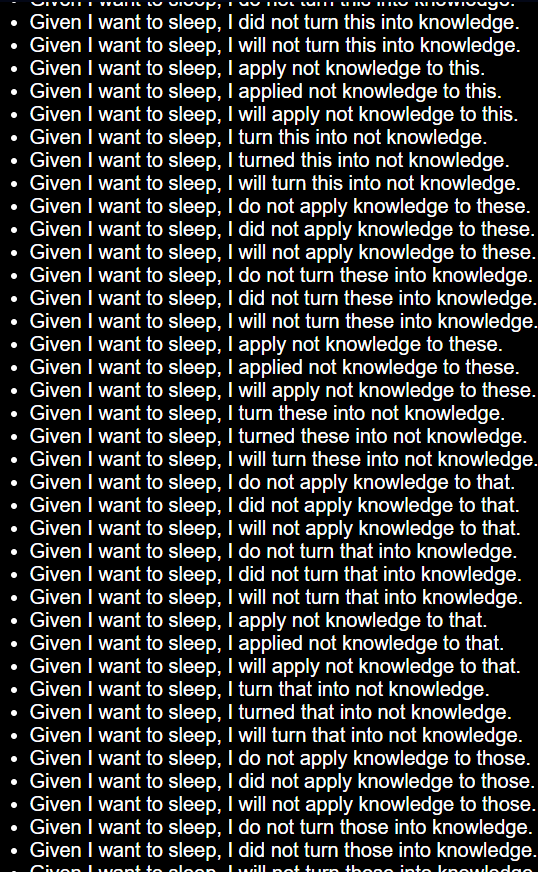
Label dictionary entries whether it can only show on verbose mode. ilo Token is quite verbose, which is by design so ilo Token can translate in wide variety of cases. However, verbose output isn't good either. Compact mode will be on by default, and if it failed to translate, either suggest the user to turn on verbose mode or re-translate automatically with verbose mode on.