
Musa is a featural phonemic alphabet that aims to be suitable for general use. Here are my notes on how Musa can be used to write Toaq as an alternate orthography.
Here are the consonants:
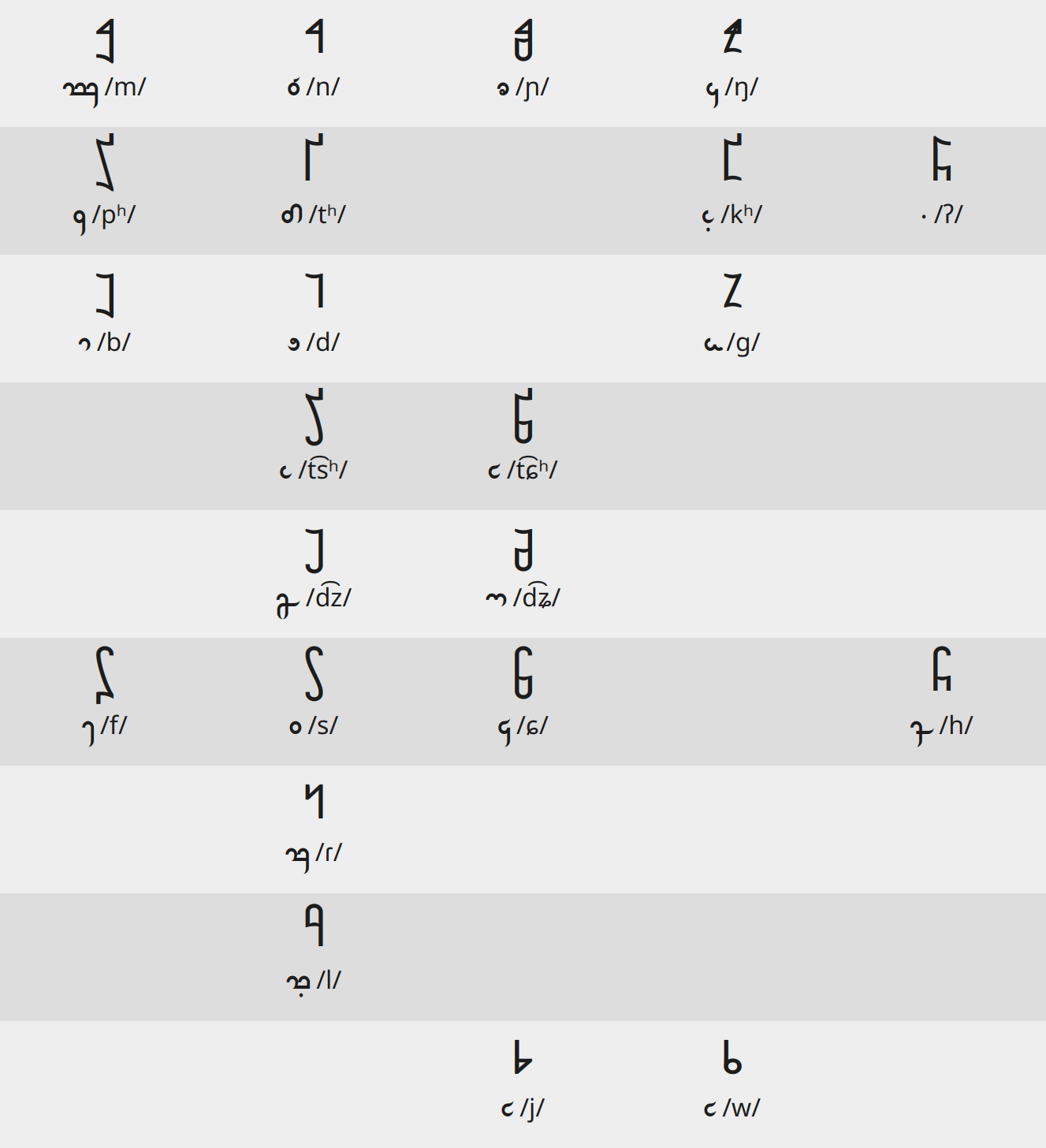
Unlike Derani and Latin, the glottal stop initial is always written.
Here are the vowels:
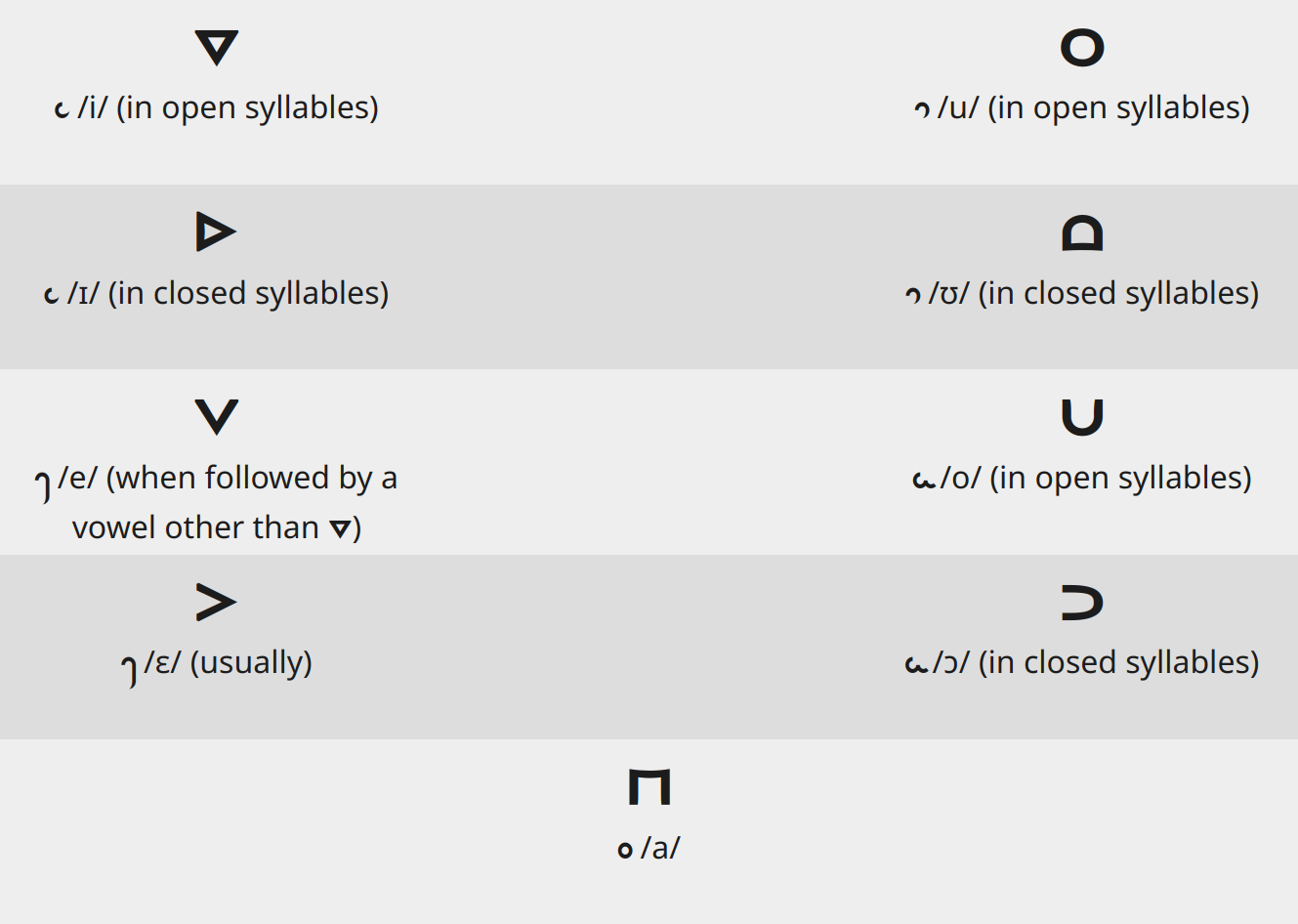
Glides are written using the same letters as the two sounds of ꝡeꝡa. Two vowels cannot be written side-by-side in Musa, so to write a hiatus, a simple straight line (the Break) is used.
Aside
Musa includes a long mark for vowels. I have elected not to include it in this adaptation, as vowel lengthening tends to emerge naturally from stressing vowels and there are no pairs that are distinguished only by vowel length.
Here are the tones:
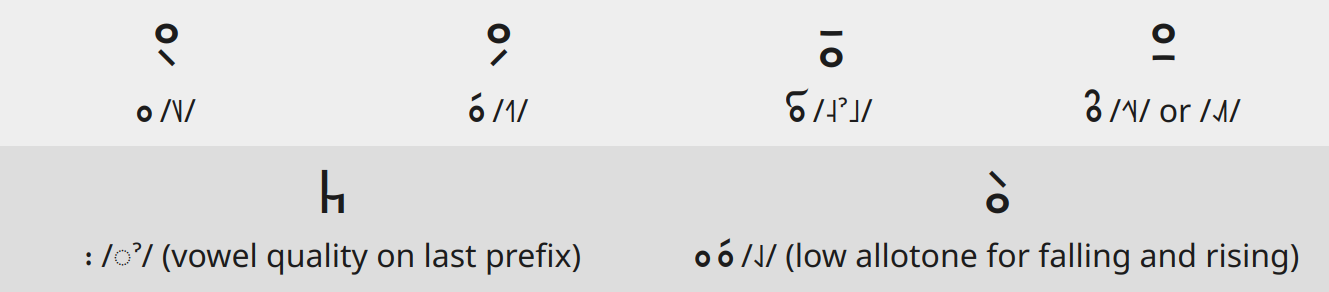
The height of the first vowel depends on the tone (all tones cause the vowel to be written high except for the broken tone), and all other vowels are written low.
Toaq is written in Akshara gait. In Akshara gait, vowels are written as "frames" around their preceding consonants, sometimes with alterations to the shape. Akshara gait works well with Toaq phonology, as the vowel frames add emphasis to the nuclei of raku.
Aside
I was tempted to use Fangzi gait, but Fangzi gait is meant for languages with syllable-level tone and Toaq raku simply do not map onto Fangzi blocks (not to mention the proliferation of multi-raku roots after the release of Toaq Gamma).
